Is the response to Spill Events the same? Things to consider
Why Effective Spill Management Starts With Risk Assessment, Planning and the Right Resources
With such a wide range of fluids and solids that can spill in a workplace, it’s critical to understand the risks, prepare a proper response plan, and ensure the right equipment and training are in place.
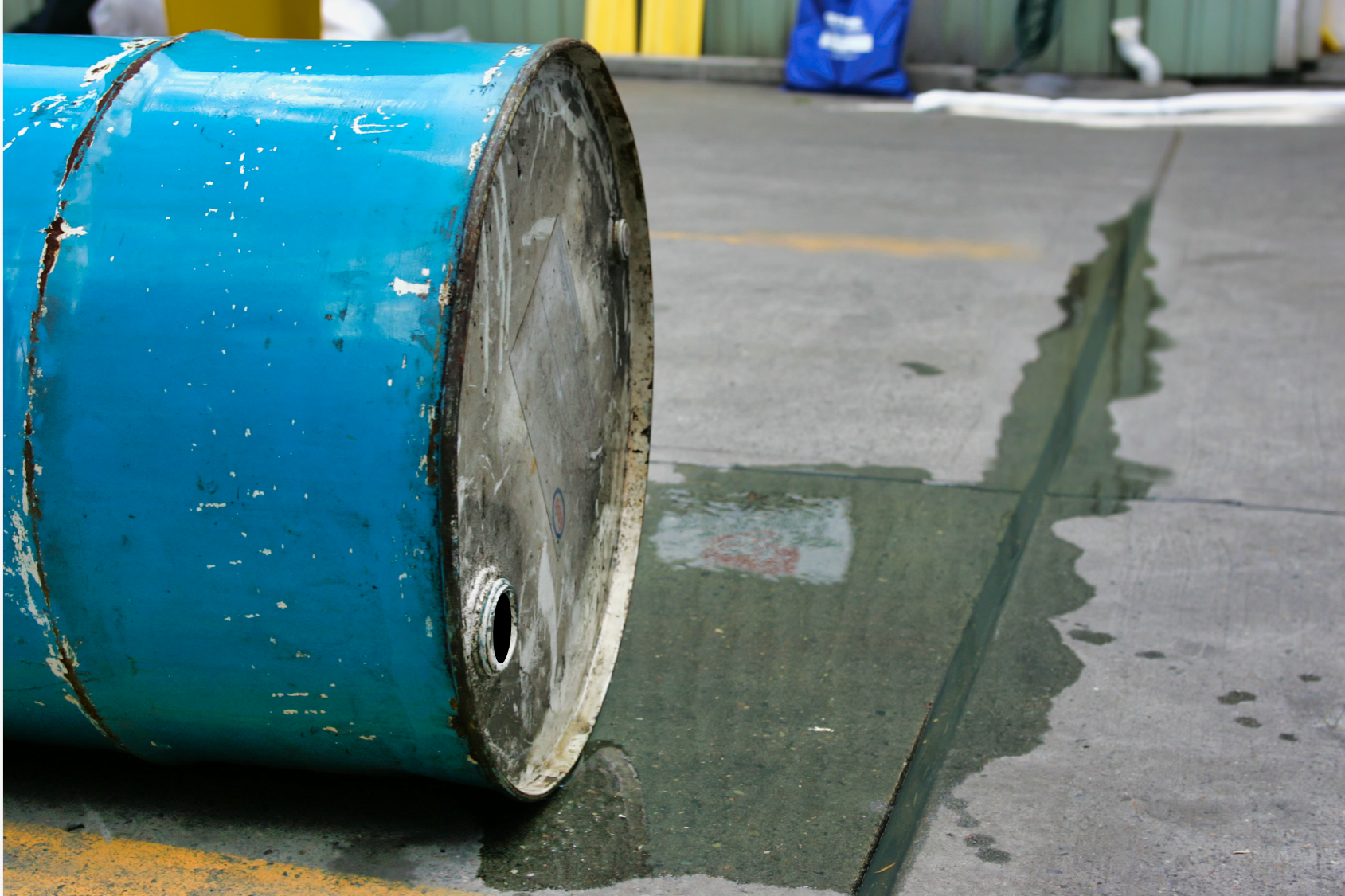
Every spill—no matter how small—has the potential to impact people, the environment and surrounding infrastructure.
At Spill Control Training, we emphasise one core message: all spills must be taken seriously.
The Real Impact of Different Types of Spills
Not all spills behave the same, and not all pose the same risks. Understanding the properties and hazards of each type helps determine the right response.
Oils and Chemicals
- These spills can present dangers such as:
- Fire and explosion
- Skin burns and chemical reactions
- Hazardous vapours
- Pollution of soil, air and waterways
Body Fluids
These may contain cytotoxins and harmful pathogens, posing contamination and health risks.
Solids (Powders, Cement, Minerals, Soil)
Many solids:
- Become airborne, creating health hazards
- Can contain carcinogens or micro-organisms
- Cause pollution and dust exposure risks
Foodstuffs
Often overlooked, food spills can be serious:
- Slipping hazards
- Odours and hygiene issues
- Environmental impacts (e.g., milk spilled into waterways is worse than an oil spill)
This is why having a clear plan of action and appropriate spill resources is essential.
Step One: Conduct a Proper Risk Assessment
A Spill Risk Assessment is the foundation of safe spill response.
It should document:
- Potential hazards
- Who or what could be harmed
- Likelihood and severity of harm
- Environmental impacts
- Control measures and responsibilities
A thorough assessment ensures your team understands what could go wrong, who is at risk, and what actions must be taken to prevent or minimise harm.
Key Components of an Effective Spill Risk Assessment
1. Hazard Identification
Identify what could cause harm—consider the type of fluid/solid, volume, concentration, location, fire/explosion potential, and vapours.
2. Who and What Might Be Harmed (and How)
Include employees, contractors, visitors, equipment, infrastructure and the environment.
3. Risk Evaluation
Assess consequence and likelihood using a rating scale (Low, Medium, High).
4. Control Measures
Examples include:
- PPE and correct spill kit resources
- Staff training
- Safe storage and reduced volumes
- Emergency Services notification for high-risk materials
5. Responsibility & Timing
Clearly define who is responsible for implementing controls and by when.
6. Review Requirements
Update assessments when chemicals change, workplaces relocate, or risks increase (e.g., closer to drains or water sources).
Why You Need a Spill Response Plan for Each Risk
Having a specific response plan for each potential spill provides clarity, speed and confidence during an incident.
A good Spill Response Plan includes:
- Risk categories (Low, Medium, High)
- Immediate actions
- Contact names and numbers
- Site and fluid information
- Number of trained responders required
- Individual personnel actions
- PPE and equipment required
- Disposal and site rehabilitation procedures
- When to involve external agencies
- Reporting requirements
This level of detail ensures no one has to guess what to do in an emergency.
The Role of Safety Data Sheets (SDS) in Spill Response
SDS documents are essential—and staff must be trained in how to use them.
- SDS information helps teams understand:
- Chemical properties and concentrations
- Reactivity (including absorbents to avoid)
- First aid measures
- Required PPE
- Recommended spill procedures
Keep SDS folders easily accessible and always take the relevant sheets to the spill site.
Choosing the Right Spill Kit & Response Materials
Not all spill kits are equal—and there is no standardised colour system in Australia. Manufacturers use their own colours, which creates confusion.
Always check:
- The kit’s label
- What the kit contains
- Whether the materials are suitable for the spill type
Important Considerations:
- Oil-only absorbents will not absorb water-based chemicals
- Absorbent booms may not contain a spill on slopes or cracked surfaces—loose absorbent may be needed
- Some absorbents are incompatible with aggressive chemicals (e.g., hot fuming sulphuric acid)
- PPE in kits may be missing, expired or incorrect—use your own compliant PPE
- Use non-sparking clean-up tools for flammable spills
- Spill resources must be placed where they are easily accessible—not in the flow path of potential spills
Prevention Is Ideal—But Preparedness Is Essential
Implementing spill prevention measures is the best defence. But spills will still happen. When they do, your organisation must be ready.
A solid defence against safety and compliance breaches includes:
- Accurate risk assessments
- Clear response plans
- Correct spill kits and resources
- Trained and competent responders
Don’t forget ongoing practice.
Regular spill response drills and refresher training ensure staff stay confident, competent and compliant.
Build a Safer Workplace With Professional Spill Training
When your team understands the risks, the procedures and the resources, they’re far more effective in preventing harm and protecting your site.
If you’re ready to improve your organisation’s spill readiness, explore our flexible immediate start online options.