What’s Legally Required? Spill Response Compliance in Australia
Understanding WHS obligations, EPA requirements, duty of care, and industry-specific regulations.
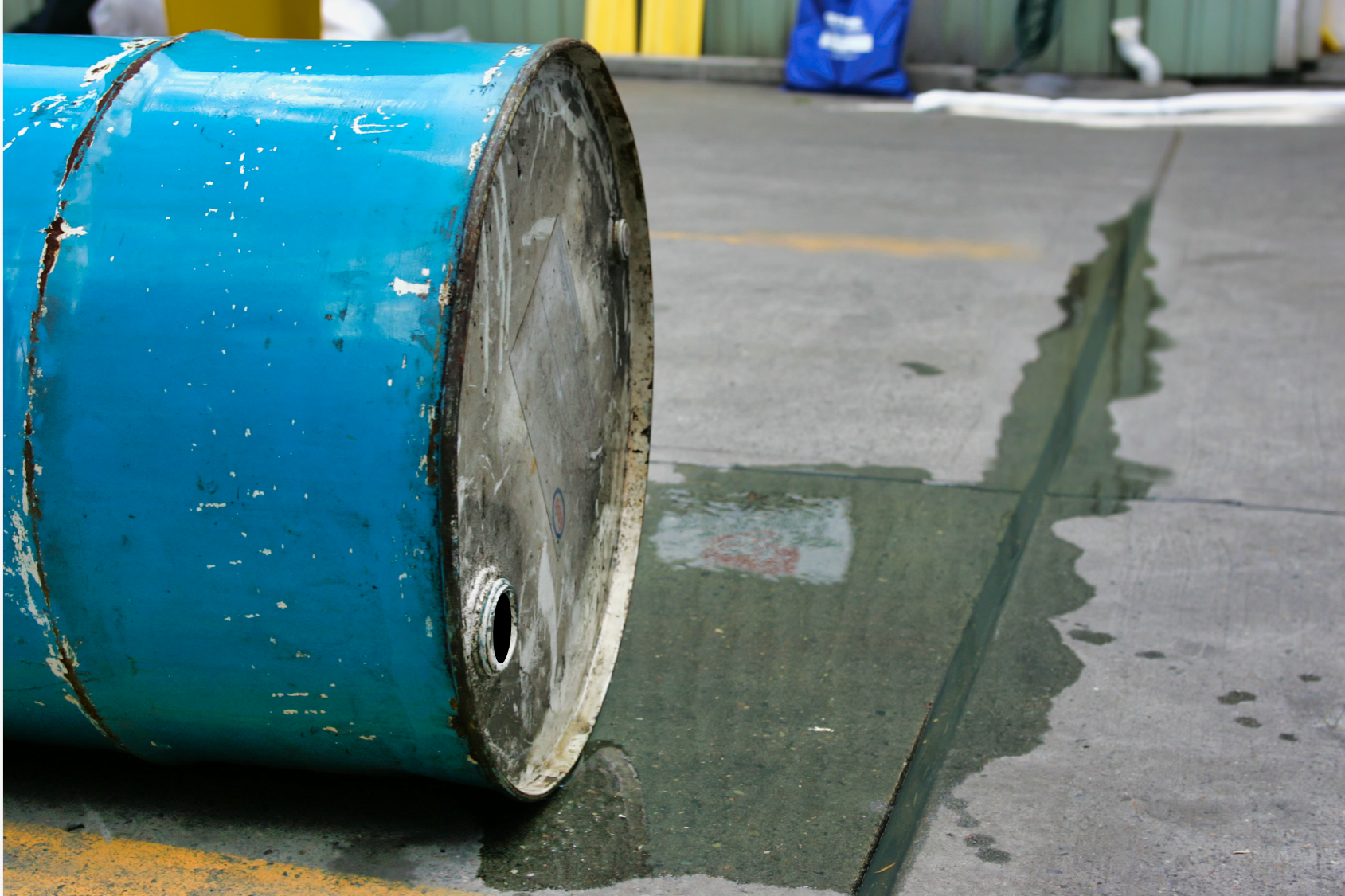
Spills happen in workplaces every day — from oils and fuels to chemicals, coolants, paints, and hazardous substances. While minor in appearance, even a small spill can trigger significant legal consequences if it enters the environment or places people at risk.
Across Australia, businesses have strict responsibilities under Work Health and Safety (WHS) laws, Environmental Protection Authorities (EPA), and industry-specific regulations. Understanding these obligations isn’t optional — it’s a legal requirement.
Here’s a clear breakdown of what your workplace must do to stay compliant.
1. Your WHS Obligations: Protecting Workers and the Workplace
Under the Work Health and Safety Act, every business (PCBU) must ensure the health and safety of workers and others. When it comes to spills, this means:
➤ Providing a safe work environment
Workplaces must eliminate or minimise risks associated with hazardous substances, fuels, oils, and chemicals.
➤ Ensuring spill risks are identified and controlled
Risk assessments must be completed, including potential spill locations, volume, and hazard type.
➤ Supplying appropriate spill kits and PPE
Workplaces must have the correct equipment for the substances stored or handled on site.
➤ Training workers in spill response procedures
The WHS Act requires that staff are trained and competent to respond safely.
Untrained staff = non-compliance.
➤ Maintaining clear procedures and emergency plans
Safe Work Method Statements (SWMS), chemical registers, and emergency plans must include spill management strategies.
Failure to meet these obligations can result in investigations, improvement notices, prosecution, or significant fines.
2. EPA Requirements: Preventing Environmental Harm
Every Australian state and territory has an Environmental Protection Authority (EPA), and each imposes strict rules on preventing pollution.
The core legal principle? A business must do everything reasonably practicable to prevent environmental harm.
This includes:
➤ Preventing spills from entering drains, soil, or waterways
Stormwater contamination is a major EPA focus, and penalties are severe.
➤ Storing chemicals and fuels correctly
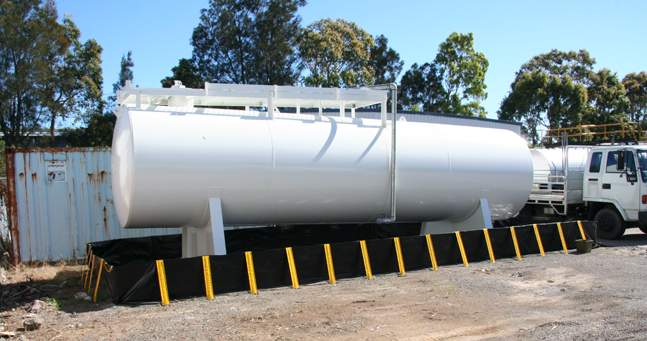
Bunds, containment systems, ventilation, and secure storage are mandatory in many industries.
➤ Maintaining spill kits and ensuring access
EPA officers frequently check spill kit locations, condition, and suitability.
➤ Reporting notifiable incidents
Certain spills must be reported immediately to the EPA. Failure to report is an offence.
➤ Ensuring staff know how to act during a spill
EPA investigates whether employees were properly trained. “Lack of training” is a common enforcement outcome.
EPA fines for improper spill response can exceed tens of thousands of dollars, and serious environmental harm can trigger court action.
3. Duty of Care: Your General Legal Responsibility
Beyond specific WHS and EPA laws, businesses also have a general duty of care to:
- Prevent harm to workers
- Prevent harm to the public
- Protect the environment
- Manage hazardous substances responsibly
Courts often examine whether a business took reasonable steps, including:
- Having spill kits available
- Training employees
- Maintaining safe storage
- Implementing spill response procedures
- Conducting regular refresher training
If a spill occurs and these measures are missing, businesses may be held liable for damages or negligence.
4. Industry-Specific Regulations You Must Know
Some industries have extra rules around chemicals, waste, and spill response. These may apply based on the type of work you do.
✔ Manufacturing & Engineering
Hazardous chemicals must comply with the Model WHS Regulations, including labelling, handling, and spill containment.
✔ Transport & Logistics
Dangerous Goods storage and transport laws apply (ADG Code), including emergency information and spill readiness.
✔ Automotive & Mechanical Workshops
Oils, fuels, and coolants require bunded storage, waste tracking, and spill prevention procedures.
✔ Construction & Civil Works
Environmental management plans must include sediment, fuel, and hydraulic oil spill response.
✔ Agriculture
Pesticides, herbicides, and fertilisers are regulated under state chemical use and environmental laws.
✔ Warehousing & Distribution
Bulk storage requires appropriate bunding, ventilation, and spill containment systems.
✔ Mining, Energy, and Resources
Additional environmental and safety requirements apply due to high-risk operations.
No matter the industry, regulators expect active risk management and trained personnel.
Training Is Not Just Best Practice — It’s a Legal Expectation
Across all states and industries, one requirement appears in every regulation:
- Workers must be trained and competent in spill response.
- Training demonstrates:
- Compliance with WHS laws
- Compliance with EPA requirements
- Due diligence and duty of care
- Risk reduction and incident prevention
- Evidence of organisational responsibility
Without training, a business is exposed — legally, financially, operationally, and environmentally.
Stay Compliant with Online Spill Response Training
At Spill Control Training, we make compliance simple.
Basic Spill Control Training
For all staff handling liquids, chemicals, or hazardous substances.
Accredited Spill Control Training
For supervisors, environmental officers, and high-risk operations needing nationally recognised certification.
Both are 100% online, fast, practical, and designed to help Australian businesses meet their legal obligations.
Protect your business, your people, and the environment.
Train your team today at www.spillcontroltraining.com.au