Online Chemical Spill Training: Why It’s Essential for Compliance, Safety & Cost Control
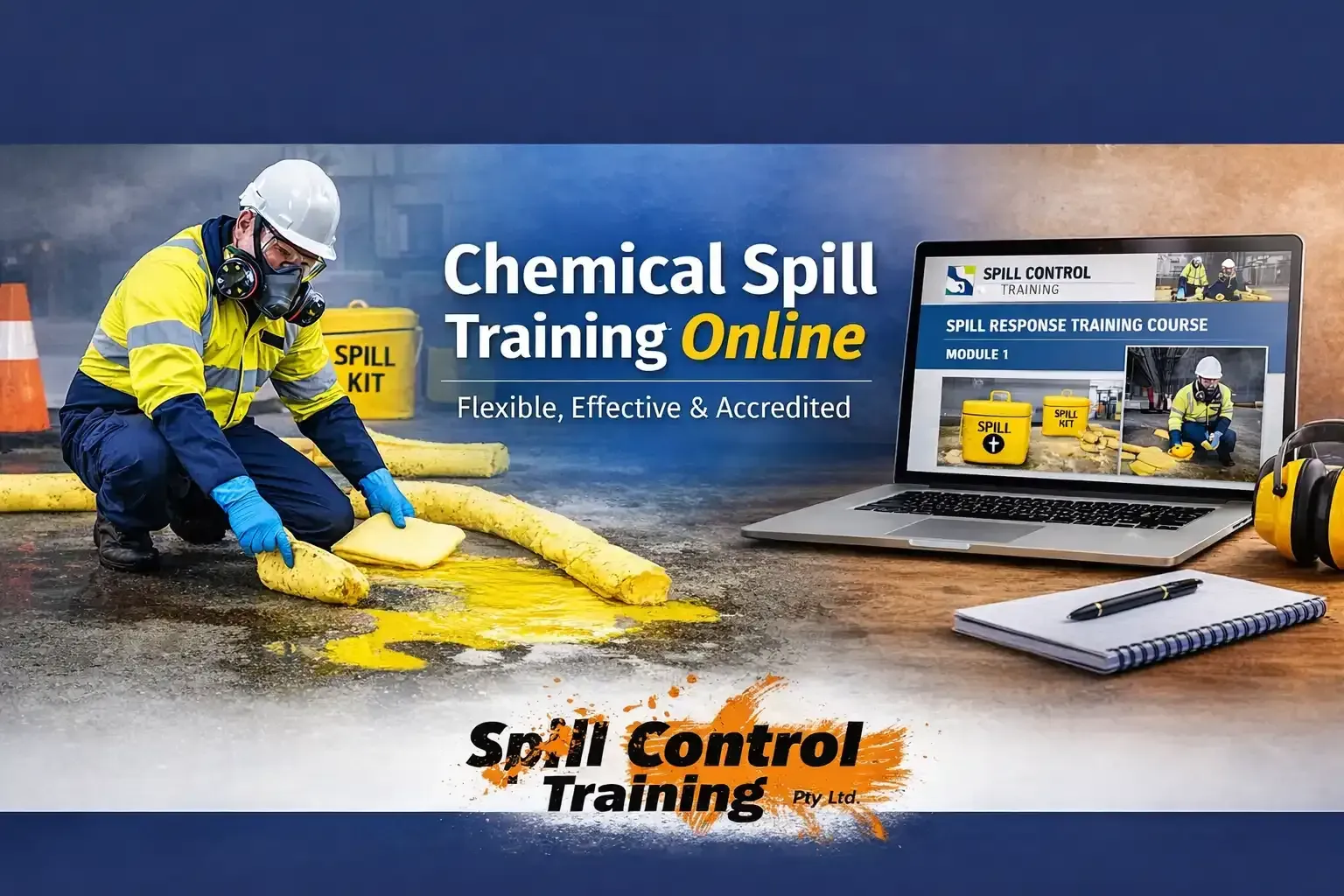
Practical Online Chemical Spill Training to Protect People, Property and the Environment
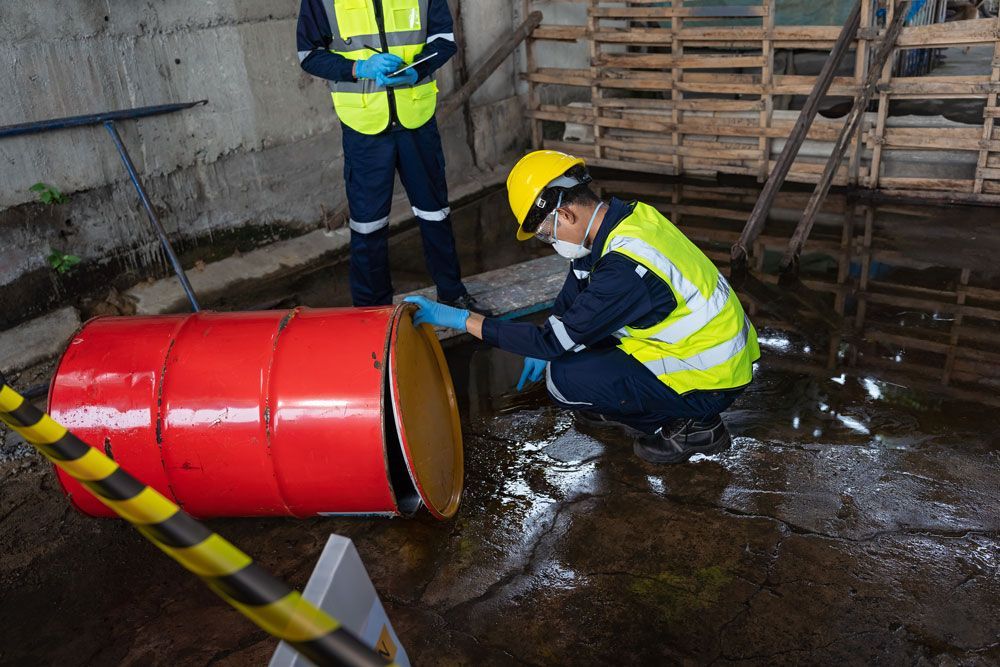
The body content of your post goes here. To edit this text, click on it and delete this default text and start typing your own or paste your own from a different source.
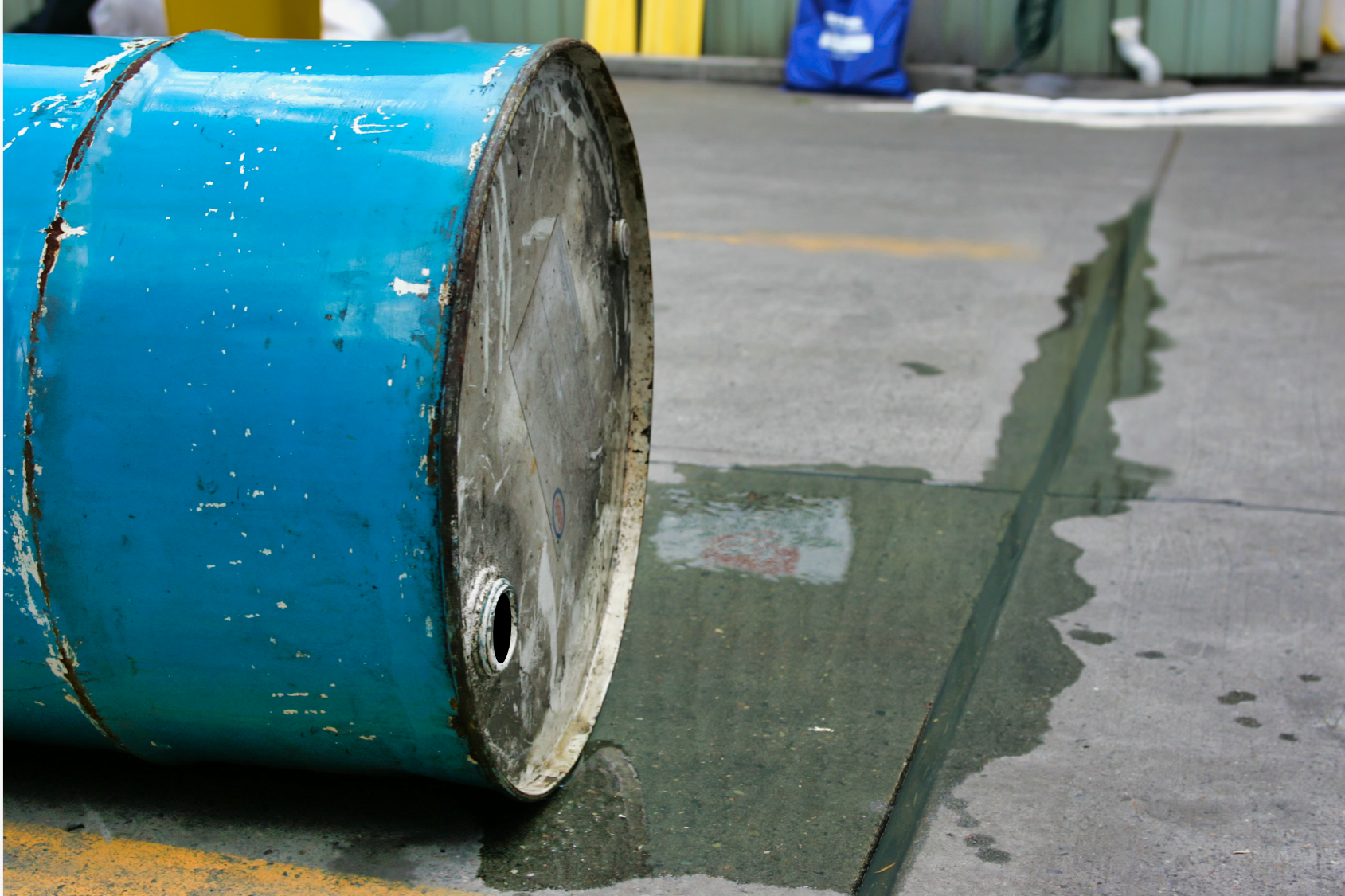
Chemical spills remain one of the most common — and most underestimated — workplace hazards across Australian industry. From manufacturing and transport to healthcare, laboratories, construction, and warehousing, the risk of a chemical spill is never zero.
Online chemical spill training provides organisations with a practical, cost-effective way to ensure staff are trained, compliant, and ready to respond safely — without disrupting operations.
This article explains why accredited online spill training is no longer optional, how it supports WHS and EPA obligations, and how it reduces the hidden costs associated with poor spill management.
Why Online Chemical Spill Training Matters
Every chemical spill carries risk — not only to workers, but to the environment, surrounding infrastructure, and your business reputation.
Recent Spill Control Training blog articles highlight a critical truth:
All fluid spills have the potential to cause harm — regardless of size or location.
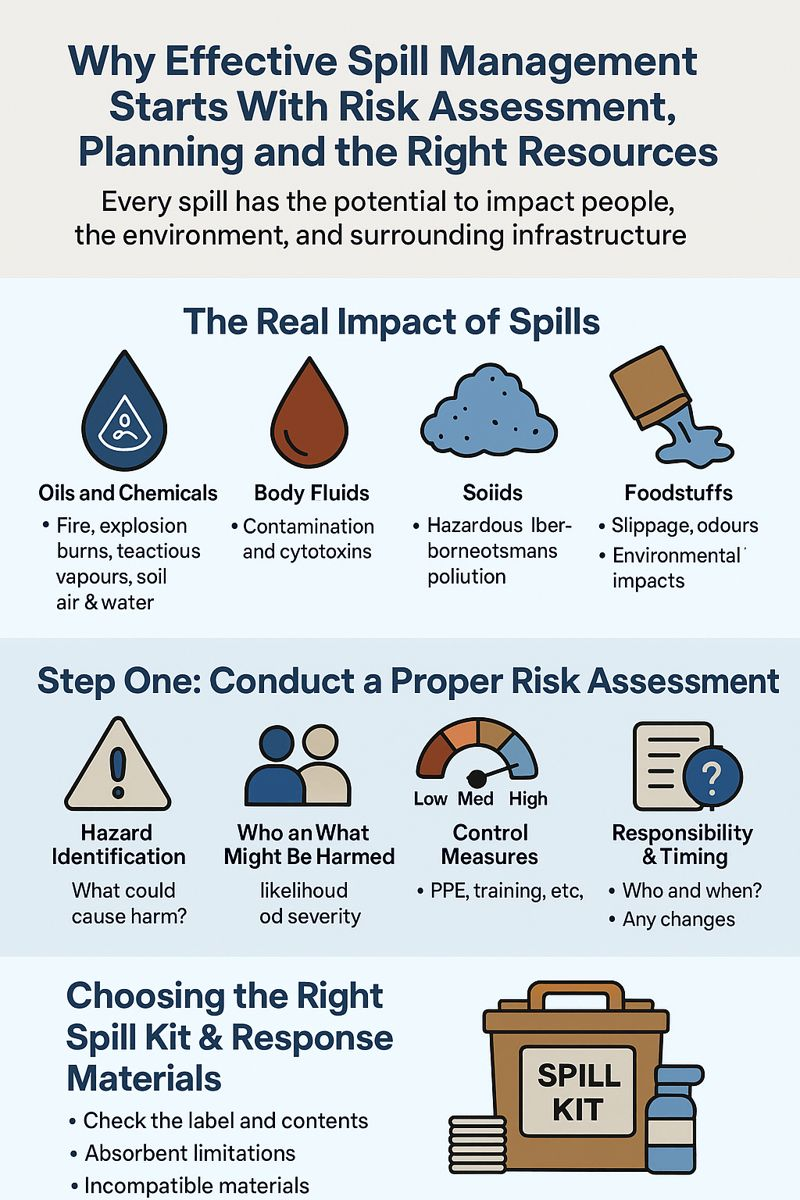
Chemical spills can result in:
- Burns, toxic exposure, vapours, and chemical reactions
- Fire or explosion risks
- Soil, water, and air contamination
- Regulatory penalties and shutdowns
- Long-term environmental damage
Online chemical spill training equips workers with the knowledge to act quickly and safely, rather than freezing or responding incorrectly under pressure.
Online vs Face-to-Face Spill Training
Modern online spill response training delivers the same core learning outcomes as in-person training, with added flexibility.
Key advantages of online chemical spill training:
✅ Train staff anytime, anywhere
✅ Consistent training across multiple sites
✅ Ideal for onboarding and refresher training
✅ Reduced downtime and travel costs
✅ Immediate certification records
For businesses operating across multiple locations — or with shift-based staff — online delivery ensures no gaps in training coverage.
Legal Requirements: Are You Compliant?
One of the most read Spill Control Training blog posts focuses on spill response compliance in Australia — and for good reason.
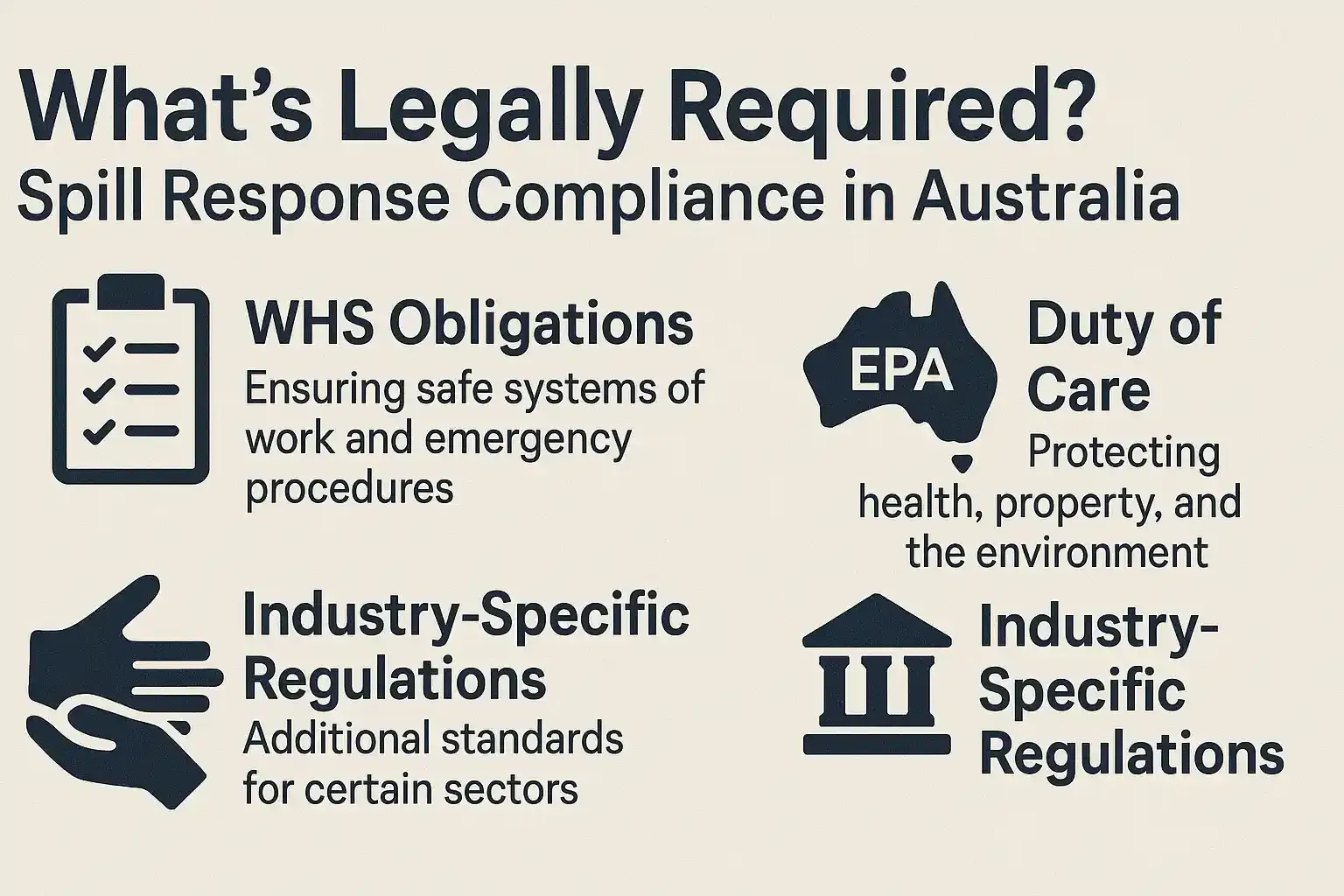
Under Australian law:
- WHS legislation requires employers to provide information, instruction, and training on hazardous substances
- EPA regulations impose a duty to prevent pollution and environmental harm
- Duty of care applies even to small or accidental spills
Failure to provide appropriate training can result in:
- Fines and enforcement notices
- Prosecution following incidents
- Insurance claim complications
Online chemical spill training helps demonstrate due diligence, showing regulators that your organisation has taken reasonable steps to prepare workers for spill events.
The Hidden Costs of Poor Spill Management
Another recent blog explored the hidden costs of poor spill management — costs that often far exceed the price of training.
These include:
- Emergency cleanup and contractor fees
- Production downtime
- Equipment damage
- Environmental remediation
- Reputation damage and lost contracts
- Increased insurance premiums
Online chemical spill training significantly reduces these risks by ensuring spills are:
- Identified early
- Contained correctly
- Cleaned up using the right materials
- Reported and documented properly
Risk Assessment: The First Step in Spill Response
Effective spill response always begins with risk assessment, a concept reinforced throughout Spill Control Training’s blog content.
Online chemical spill training teaches workers how to:
- Identify the type of chemical involved
- Assess toxicity, flammability, and reactivity
- Evaluate exposure risks to people and the environment
- Select the correct PPE and spill kit
- Decide when escalation or evacuation is required
This structured approach prevents panic responses that often make incidents worse.
Who Needs Online Chemical Spill Training?
Online chemical spill training is suitable for:
- Manufacturing and processing facilities
- Warehousing and logistics operations
- Construction and maintenance crews
- Laboratories and research facilities
- Healthcare and aged care environments
- Transport operators handling dangerous goods
Even workplaces with small quantities of chemicals are not exempt from spill risk — or training obligations.
Why Choose Spill Control Training’s Online Courses?
Spill Control Training’s online courses are designed for real-world Australian workplaces, not generic overseas content.
Our Training focuses on:
- Practical spill response procedures
- Australian WHS and EPA expectations
- Correct use of spill kits and absorbents
- Environmental protection principles
- Clear documentation and reporting
Courses are ideal for both new staff induction and ongoing refresher training, helping businesses maintain compliance year-round.
This is paragraph text. Click it or hit the Manage Text button to change the font, color, size, format, and more. To set up site-wide paragraph and title styles, go to Site Theme.
Final Takeaway
Chemical spills are inevitable. Poor responses are not.
Investing in online chemical spill training is one of the simplest, most effective ways to reduce risk, meet legal obligations, and avoid the hidden costs of unpreparedness.
For more insights, compliance guidance, and spill management best practice, explore the latest articles in our Spill Control Training blog.